Copper for Equine Blood Health
Copper is a trace mineral that supports normal iron utilization and enzymatic function in horses. It’s commonly discussed alongside iron and zinc because mineral balance matters for overall blood health nutrition.
What Is Copper?
Copper is an essential trace mineral required for multiple enzymatic and physiological processes in the horse. It plays a central role in iron metabolism, red blood cell formation, connective tissue integrity, and immune function, making it directly relevant to equine blood health and performance readiness.
Horses cannot synthesize copper and must obtain it through diet or supplementation. Deficiency is common in performance horses due to imbalanced forage mineral profiles, antagonistic minerals (iron, zinc, molybdenum), and increased metabolic demand.
Why Copper Matters for Blood Health
Copper is a critical cofactor in hematopoiesis, the process by which red blood cells are produced and maintained.
Key blood-related roles include:
-
Iron Utilization
Copper is required for the function of ceruloplasmin, an enzyme that enables iron to be mobilized and incorporated into hemoglobin. Without adequate copper, iron may be present but biologically unavailable. -
Red Blood Cell Maturation
Copper supports proper erythrocyte development and lifespan, contributing to optimal oxygen-carrying capacity. -
Prevention of Functional Anemia
Copper deficiency can result in anemia-like symptoms even when dietary iron levels are adequate.
In equine nutrition, copper should be viewed not as optional, but as foundational to effective blood support.
Performance Implications in Horses
In performance and working horses, suboptimal copper status may be associated with:
-
• Reduced stamina or early fatigue
-
• Poor recovery following exertion
-
• Dull coat color and decreased tissue resilience
-
• Compromised immune responsiveness
Because copper works synergistically with iron, cobalt, and B-complex vitamins, it is most effective when delivered as part of a balanced blood-support formulation, rather than as an isolated supplement.
Copper & Mineral Balance
Copper absorption is highly influenced by other dietary minerals:
-
• High iron intake (common in forage and water) can suppress copper uptake
-
• Excess zinc competes with copper at the intestinal level
-
• Molybdenum and sulfur can bind copper and reduce bioavailability
For this reason, copper inclusion should be precisely dosed and strategically formulated, not added indiscriminately.
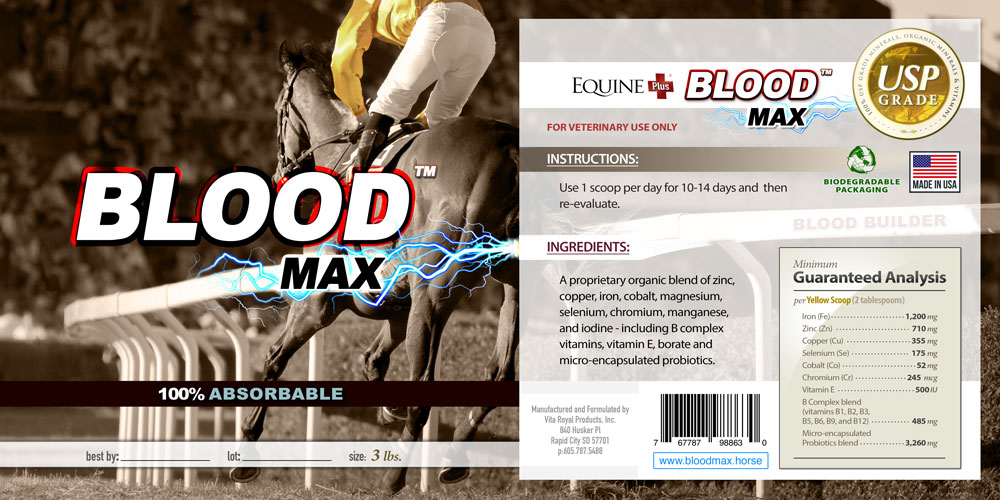
BLOOD MAX™ incorporates copper in ratios designed to support iron metabolism without creating antagonism, aligning with modern equine nutrition principles.
Forms of Copper Used in Supplements
Copper can be supplied in several forms, with meaningful differences in bioavailability:
-
• Copper sulfate
-
• Copper proteinate / chelate
-
• Organic copper complexes
Well-formulated equine supplements prioritize bioavailable copper sources that are efficiently absorbed and utilized, particularly in horses under metabolic or athletic stress.
Is Copper Safe for Horses?
Copper is safe for horses when:
-
• Included at nutritionally appropriate levels
-
• Balanced against iron and zinc
-
• Provided as part of a complete mineral strategy
Excessive copper intake over time may be harmful, which is why formulation precision matters more than sheer dosage.
Blood health supplements should never rely on copper megadosing; instead, they should aim to restore functional balance.
Copper Deficiency in Horses
Risk factors for copper deficiency include:
-
• Forage grown in copper-poor soils
-
• High-iron water sources
-
• Diets heavy in unbalanced grain or hay
-
• Young, growing, or heavily worked horses
Signs may be subtle and develop gradually, reinforcing the importance of preventive nutritional support rather than reactive supplementation.
Copper’s Role in BLOOD MAX™
Copper in BLOOD MAX™ is included to:
-
• Support efficient iron utilization
-
• Contribute to healthy red blood cell production
-
• Reinforce overall blood oxygenation capacity
-
• Complement other hematinic nutrients in the formula
This integrated approach distinguishes blood-focused formulations from generic mineral supplements.
Summary
Copper is a non-negotiable micronutrient for equine blood health, with direct influence on red blood cell formation, iron metabolism, and athletic performance. In properly balanced formulations, copper supports stamina, recovery, and physiological resilience without unnecessary risk.
BLOOD MAX™ includes copper not as an add-on, but as a strategic component of a comprehensive blood health system.
Contact Us
- phone: +1 605 787 5488